

 English
 русский
 عربى
 Indonesia
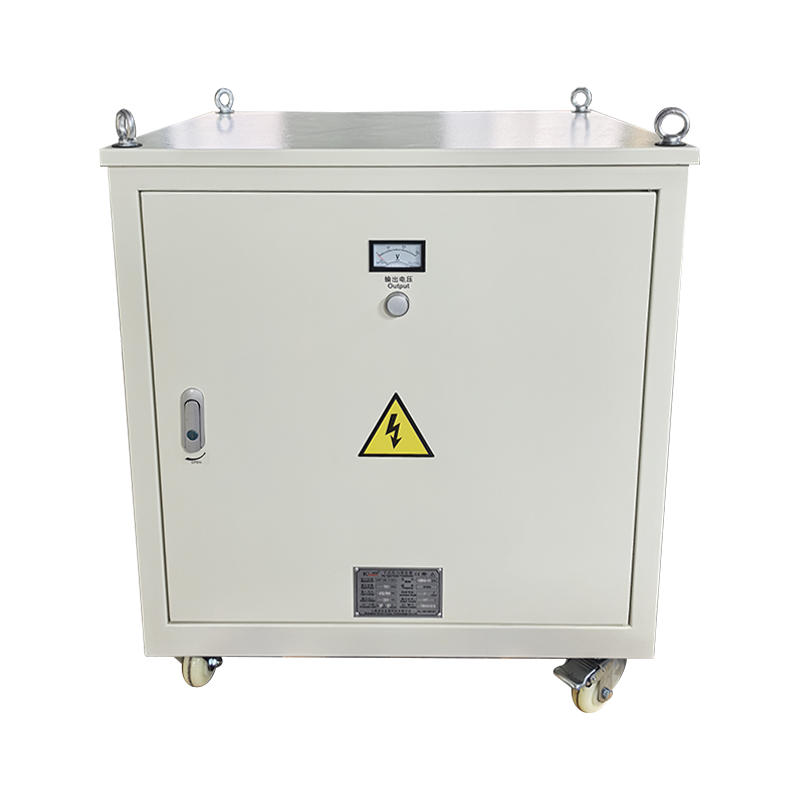
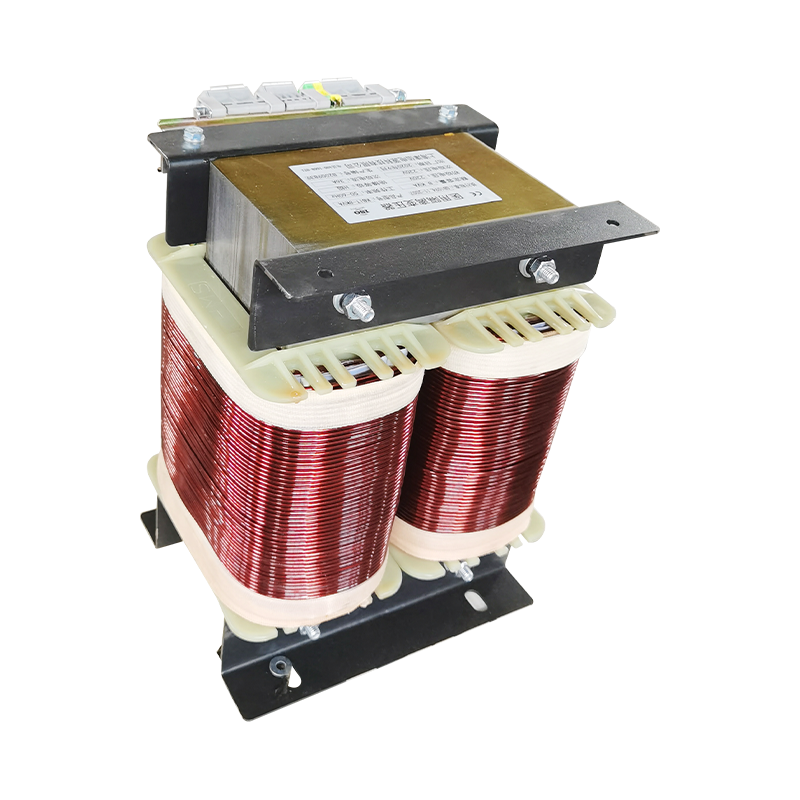
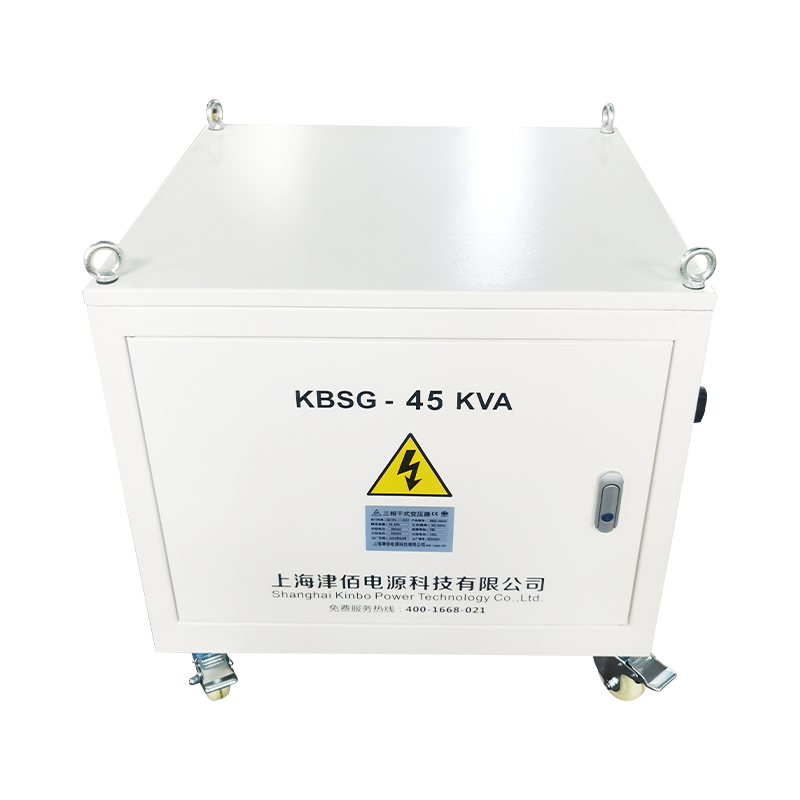
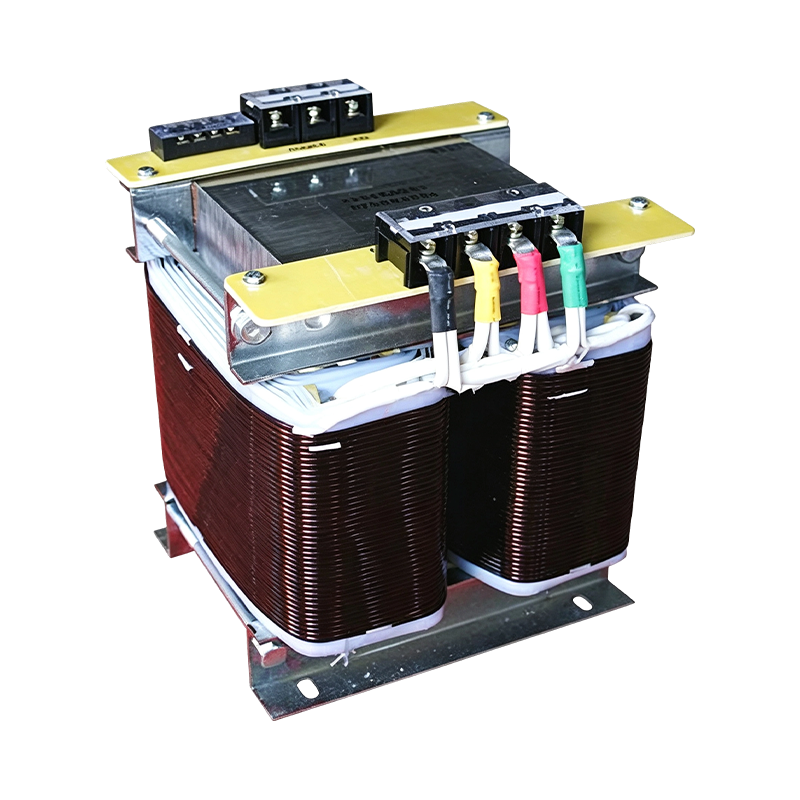
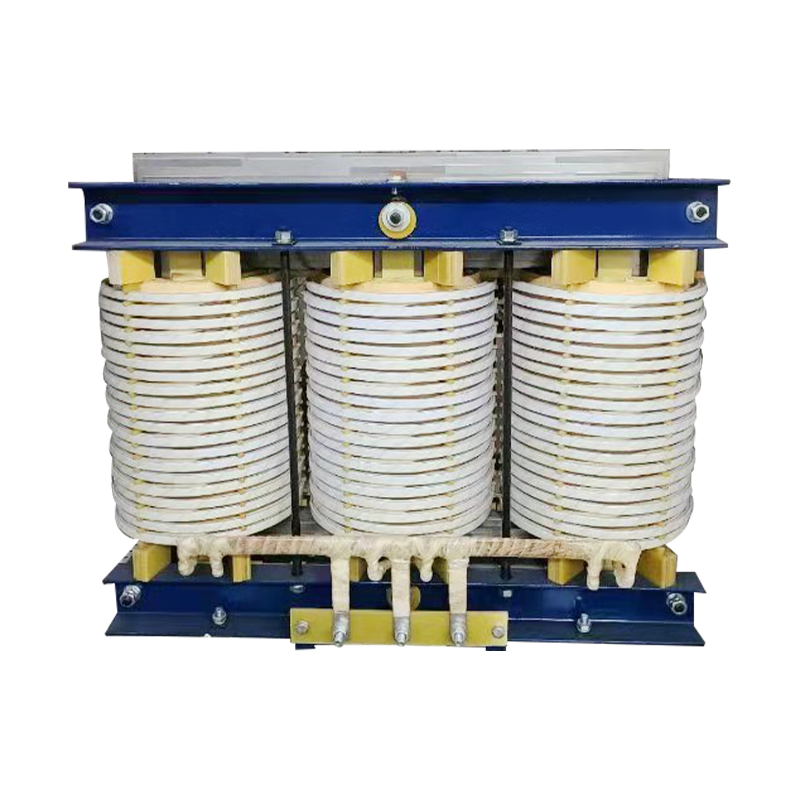
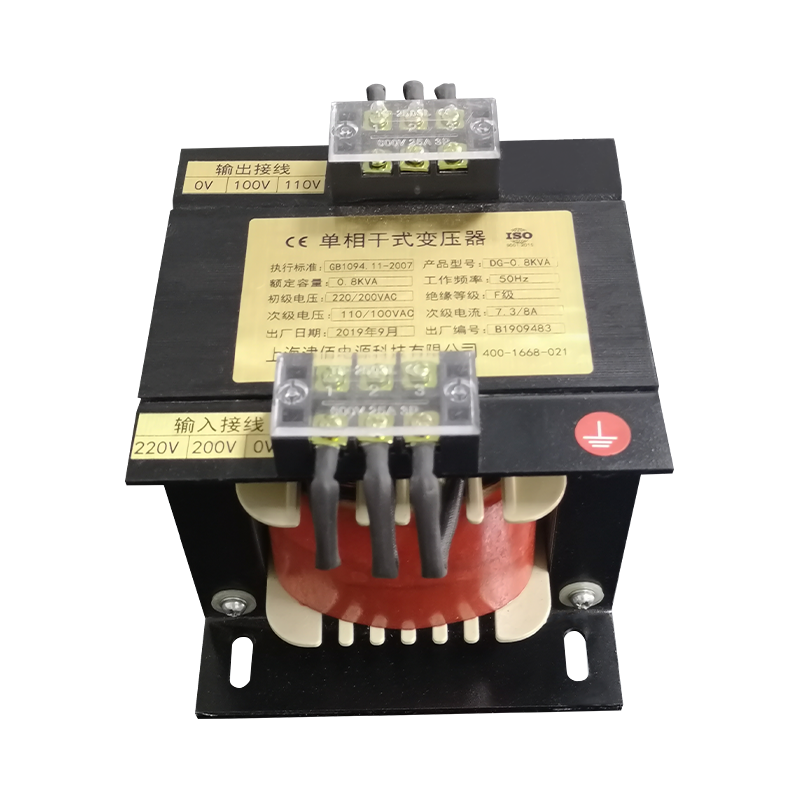
A 37.5 kVA transformer is a medium-small transformer rated for 37,500 volt-amperes of apparent power, typically used to step voltage down for a workshop sub-board, a group of machines, a small process line, or a technical load that needs isolation. The rating is common in North American equipment schedules and also appears in export projects where a load sits between roughly 30 kVA and 40 kVA and a 50 kVA unit would be unnecessarily large.
In practical terms, 37.5 kVA is not the same as 37.5 kW. It is the apparent-power ceiling that includes both useful work and reactive current. At a power factor of 0.8, the transformer can support about 30 kW; at 0.9, about 33.75 kW; at 0.95, about 35.6 kW. That difference matters when a load schedule is written in kW but the transformer is selected in kVA.
- 37.5 kVA equals 37,500 VA, or 37.5 kVA of apparent power.
- At 400 V three-phase, full-load current is about 54 A.
- At 480 V three-phase, full-load current is about 45 A.
- At 208 V three-phase, full-load current is about 104 A.
- A 30 kW load at 0.8 power factor reaches the transformer’s kVA limit; at 0.9 power factor it leaves only about 4 kVA of headroom.
What a 37.5 kVA transformer rating means in practice
The 37.5 kVA rating sets the transformer’s apparent-power ceiling, while temperature rise, ambient conditions, harmonics, and load profile decide how much of that ceiling can be used continuously. A dry-type unit may be rated for a 55 K, 80 K, or 115 K temperature rise; a higher rise generally allows a smaller frame but leaves less margin in a hot electrical room. The nameplate should be read together with the installation conditions, not as a stand-alone number.
Voltage drop is another practical limit. A 37.5 kVA transformer with roughly 4–6% impedance may hold its no-load voltage accurately while dropping several percent at full load, especially with a low-power-factor load. For a machine cluster with contactors, relays, and sensitive controls, that drop can affect operation long before the transformer reaches its thermal limit. The specification should therefore include both the kVA rating and the acceptable secondary voltage band.
Harmonic loads also change the calculation. Six-pulse drives, rectifiers, LED drivers, and IT equipment can increase winding heating and neutral current. If the load is nonlinear, ask for a K-factor rating, a derating calculation, or a larger frame. A transformer that is “big enough” in kVA can still run hot when the current waveform is distorted.
Where a 37.5 kVA transformer fits best
A 37.5 kVA transformer fits small industrial and commercial subdistribution loads better than a single large plant-wide transformer. It is often used for a compact machine group, a packaging line, a water-treatment skid, a laboratory bench area, an HVAC sub-panel, or a 480 V to 208Y/120 V step-down point in a building. It can also serve as an isolation or UPS-interface transformer where the load is clearly defined.
- Machine shop sub-board feeding CNC equipment, small presses, and auxiliary controls.
- Packaging or assembly line with motors, drives, sensors, and PLC power supplies.
- Commercial step-down duty from 480 V to 208Y/120 V for lighting, receptacles, and small HVAC loads.
- Pump, blower, or water-treatment panel where starting current and voltage dip have been checked.
- Isolation point between a distribution board and sensitive electronic equipment.
- UPS bypass or rectifier interface where the transformer is matched to the UPS topology.
One common mistake is to select a 37.5 kVA unit for a single large motor because the running kW fits. Across-the-line starting current can be several times full-load current, causing a voltage dip that trips controls or overloads the upstream breaker. A soft starter, VFD, or a larger transformer may be the better answer. For UPS and variable-frequency duty, the transformer should be specified for the actual waveform and switching conditions, not only for 50 Hz or 60 Hz sinusoidal operation.
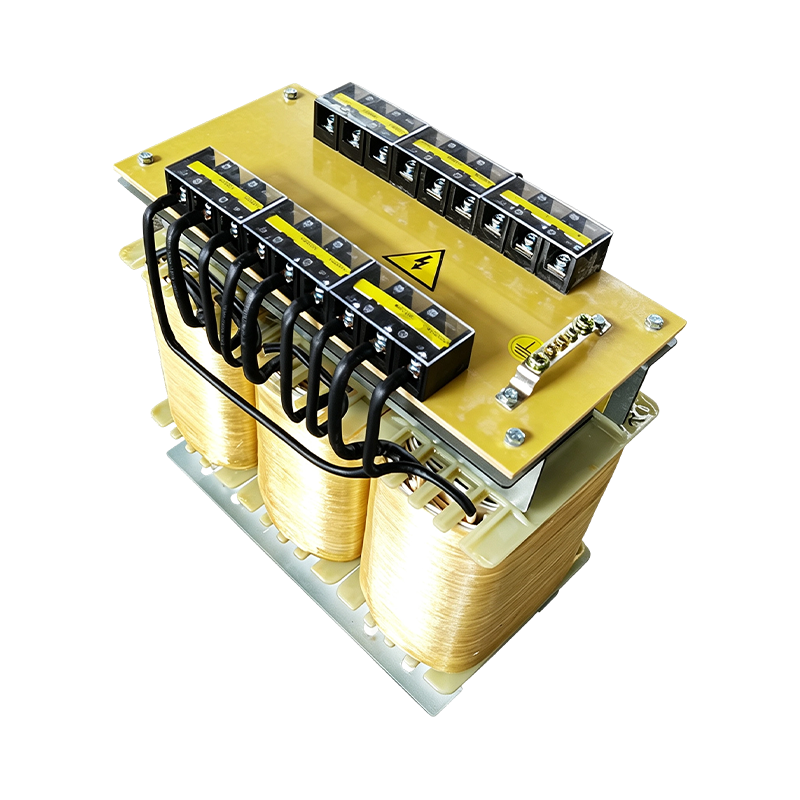 Kinbo UPS and EPS Variable Frequency TransformerProject-defined isolation transformer for UPS, EPS and inverter duty, with voltage matching and neutral establishment; review ratings against starting current, harmonics and load schedule.View Product →
How to size a 37.5 kVA transformer correctly
Size the transformer from a load schedule, then check voltage drop, starting current, harmonics, and future capacity; do not size from the nameplate of one machine. A useful sequence is to list every load in kW or kVA, apply demand and simultaneity factors, convert to kVA at the actual power factor, and then test the result against the transformer’s continuous rating.
- Build a load list with running kW, power factor, duty cycle, and starting method.
- Convert each load to kVA and add the simultaneous demand, not the simple sum of every nameplate.
- Apply a planning margin of roughly 15–25% for future load, high ambient temperature, or harmonic content.
- Check motor starting and transformer inrush against the primary protection and voltage-dip limit.
- Confirm the secondary voltage band at full load, not only at no load.
- Verify enclosure, ventilation, altitude, ambient temperature, and neutral requirement.
A 37.5 kVA transformer loaded to 85% may be a better choice than a 50 kVA unit loaded to 64% if space, weight, and primary protection are tight. Conversely, a 37.5 kVA unit loaded to 95% with harmonics and a 40 °C room is not a robust design. The correct answer depends on the load profile, not only the arithmetic.
| Voltage and phase | Full-load current | Typical use |
|---|---|---|
| 480 V, three-phase | About 45 A | North American industrial step-down |
| 400 V, three-phase | About 54 A | Export and IEC-style distribution |
| 380 V, three-phase | About 57 A | Industrial subdistribution |
| 415 V, three-phase | About 52 A | Plant and building sub-panel |
| 208 V, three-phase | About 104 A | 480 V to 208Y/120 V step-down |
| 240 V, single-phase | About 156 A | Single-phase commercial load |
Voltage ratio, connection, and impedance choices
The voltage ratio and winding connection matter as much as the kVA rating, because a correctly sized transformer with the wrong vector group or tap range can still be unusable. Common 37.5 kVA configurations include 480 V delta to 208Y/120 V, 400 V delta to 230Y/133 V, 380 V to 220Y/127 V, and single-phase 240/120 V. The exact ratio should follow the site’s nominal voltage and the equipment’s acceptable input band.
Taps are useful where the primary voltage drifts. A range of ±2 × 2.5% is common, while some projects ask for ±5%. Impedance is often around 4–6% on small dry-type units, but the nameplate and test report govern. Low impedance can improve voltage regulation but increase short-circuit current; high impedance can reduce fault current but increase voltage drop. Protection coordination should be checked against the actual impedance value.
For isolation duty, specify whether an electrostatic shield is required, whether the neutral must be brought out, and whether the secondary is a separately derived system that needs neutral bonding. Vector group, polarity, and terminal marking should be stated clearly. If the transformer feeds medical, IT, or critical equipment, the grounding arrangement needs review before the unit is ordered, not after it arrives.
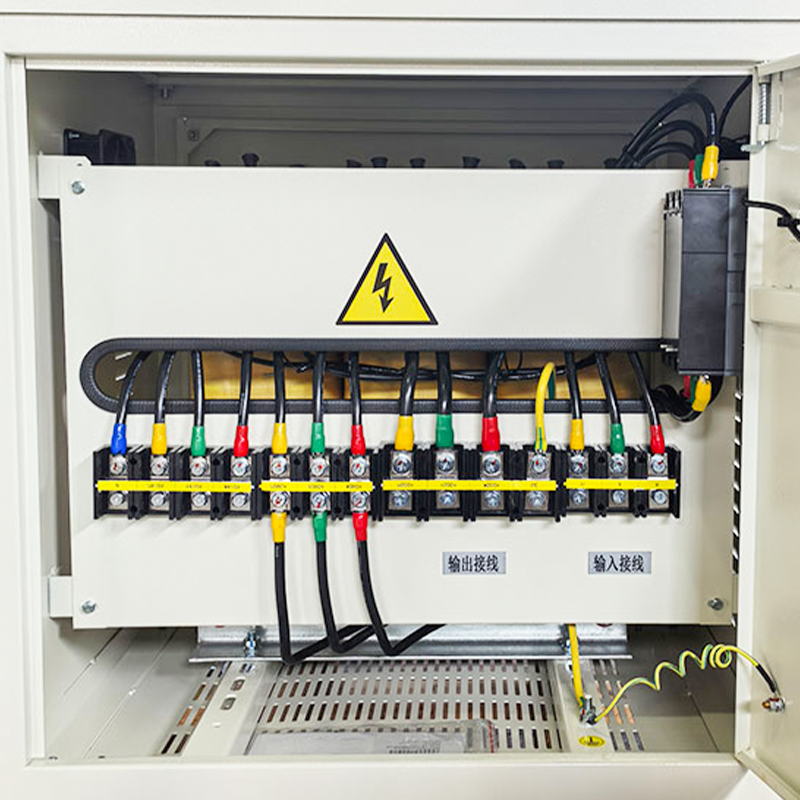 KBSG Three-Phase Isolation TransformerDelta-wye isolating transformer establishes a new neutral and reduces common-mode noise; specify shielding, grounding and protection for critical circuits and project conditions.View Product →
Protection and installation checks
Protect the transformer according to its primary current, inrush, and thermal capability, not by the downstream panel rating alone. The primary breaker or fuse must ride through magnetizing inrush without nuisance tripping, while still clearing a fault. Secondary protection, cable ampacity, and the upstream device’s interrupting rating all need to be coordinated.
- Confirm primary and secondary full-load current from the nameplate.
- Check breaker or fuse curve against transformer inrush data.
- Verify grounding, bonding, and neutral formation for the system type.
- Maintain ventilation clearances and keep the enclosure free of dust buildup.
- Derate for altitude, high ambient temperature, or enclosure heat rise.
- Record insulation resistance, turns ratio, polarity, and ground continuity at commissioning.
Termination quality is an underrated issue. Aluminum or copper conductors, plated lugs, torque values, and cable bending radius all affect long-term reliability. In a dusty workshop, a properly selected enclosure and filter schedule can matter as much as the transformer’s insulation class.
Procurement risks and supplier checks
Most 37.5 kVA transformer problems are specification gaps, not manufacturing defects. The purchase order should state the voltage ratio, phase, frequency, taps, impedance, temperature rise, insulation class, vector group, enclosure rating, neutral requirement, and test reports. A vague “37.5 kVA transformer” request leaves too many variables open.
| Checkpoint | What to specify | Risk if missed |
|---|---|---|
| Voltage ratio | Exact primary and secondary voltage, phase, and frequency | Wrong output or unusable equipment |
| Tap range | Tap positions and no-load or on-load operation | Inability to correct site voltage drift |
| Impedance | Percentage impedance and tolerance | Breaker coordination and voltage-drop problems |
| Thermal rating | Temperature rise, insulation class, ambient, and altitude | Overheating or reduced service life |
| Harmonic duty | K-factor, derating, or oversized neutral | Winding hot spots and nuisance trips |
| Compliance | Test reports, CE marking where applicable, and quality system evidence | Delay at inspection or export clearance |
| Enclosure | IP rating, ventilation, cable entry, and finish | Dust, water, or corrosion damage |
A supplier with in-house design, manufacturing, and after-sales support can close these gaps faster than a trading-only source. Kinbo Power’s power transformer range includes isolation, control, UPS/EPS, and medical isolation designs, which makes it easier to compare a standard 37.5 kVA unit against a project-specific arrangement.
Isolation and critical-load details
For critical loads, a 37.5 kVA isolation transformer is often specified to limit noise transfer, define a separately derived system, or provide a clean neutral point. The transformer does not by itself solve every power-quality issue. It reduces common-mode noise, but harmonic distortion, voltage sags, and grounding loops still need a system-level review. If the load includes medical equipment, the installation rules for medical IT systems and isolation monitoring are more demanding than a general industrial panel.
In medical and laboratory areas, the selected transformer should match the isolation, leakage-current, and alarm requirements of the room. The same kVA rating can have different winding screens, insulation systems, and enclosure arrangements. For a broader explanation of grounding and isolation principles, see this isolation transformer guide.
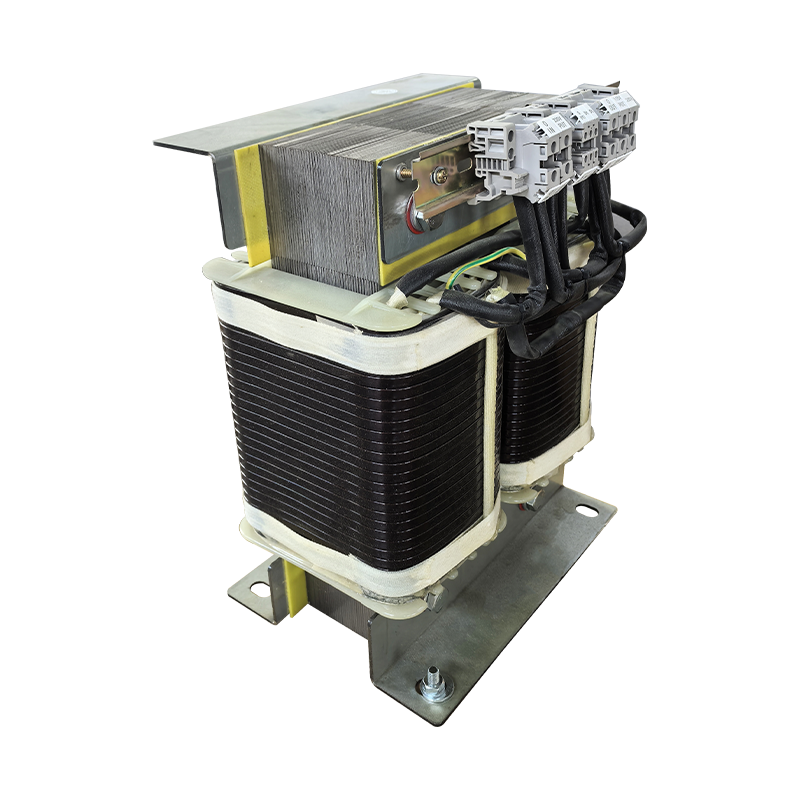 KBIT Medical IT Isolation TransformerMedical IT isolation transformer for operating theatres and clinical areas, with shielding and low temperature rise; check load power factor and starting profile before sizing.View Product →
Frequently asked questions
Is a 37.5 kVA transformer enough for a 30 kW load?
It can be, but only if the load’s power factor and starting profile are checked. At 0.9 power factor, 30 kW is about 33.3 kVA, leaving roughly 4.2 kVA of headroom. At 0.8 power factor, 30 kW reaches 37.5 kVA exactly, which is not a comfortable continuous design once harmonics, high ambient temperature, or future load are included.
What is the full-load current of a 37.5 kVA transformer?
At 400 V three-phase, the full-load line current is about 54 A; at 480 V it is about 45 A. The formula is kVA × 1,000 divided by √3 × line voltage for three-phase, or kVA × 1,000 divided by voltage for single-phase. Always use the nameplate voltage rather than a nominal site value.
Should I choose a dry-type or oil-filled 37.5 kVA transformer?
For indoor industrial rooms, dry-type is usually the lower-maintenance choice; oil-filled designs suit outdoor or dedicated areas where oil containment and inspection are accepted. Local fire rules, installation space, noise limits, and maintenance capability should decide the final type.
Can a 37.5 kVA transformer run motors?
Yes, but motor starting—not running kW—often governs the choice. A 37.5 kVA transformer may run several small motors comfortably yet struggle with one large across-the-line motor. Check locked-rotor current, acceleration time, voltage-dip limits, and the upstream protection curve.
What voltage tolerance should I expect?
Expect the transformer to hold its turns ratio accurately, while the output voltage still moves with input voltage and load drop. No-load voltage is set by the ratio and taps; full-load voltage sags according to impedance and power factor. Specify the acceptable secondary band and test it at the expected load.
A practical 37.5 kVA transformer checklist
Use this checklist to turn a 37.5 kVA requirement into a reviewable specification before requesting quotations. Start with the load schedule, then confirm the voltage ratio, vector group, impedance, thermal margin, protection, enclosure, and documentation. Compare the proposed unit against the actual starting current, harmonic content, ambient temperature, and future expansion plan. A clear specification reduces the chance of a costly re-order and gives vendors a fair basis for comparison.