

 English
 русский
 عربى
 Indonesia
"All type transformer" is not a single model — it is a question about how the transformer family is divided and which branch your project actually needs. The short answer: transformers fall along four axes — voltage change (step-up, step-down, autotransformer), phase (single-phase, three-phase), cooling and mounting (oil-immersed or dry-type), and purpose (power, control, instrument, isolation, medical, furnace, rectifier, welding, testing). Most selection failures come from treating that fourth axis as optional.
Why it matters: two units with the same nameplate kVA can be entirely non-interchangeable inside a specific distribution design, because of insulation class, temperature-rise limits or winding arrangement. A general-purpose 100 kVA unit placed where DC components or high harmonic content live may not survive a single summer. A control transformer pulled into a medical isolation role stops being a performance question and becomes a compliance question.
The sequence below is what factories actually use: match the transformer to the load and the environment first, then check the nameplate. That order is followed throughout.
Core Classification: Step-Up, Step-Down and Autotransformers
Step-up, step-down and autotransformers answer the question of how voltage changes — and only the first two provide true electrical isolation.
A step-up transformer takes the low-voltage side as primary and raises it to a higher level; a step-down transformer works in reverse, and is the far more common direction in distribution. Both are two-winding devices. There is no electrical connection between primary and secondary — only magnetic coupling.
An autotransformer is different. It uses a single winding with an input tap taken partway along it. That gives a lighter core, lower cost and less copper, but zero isolation. The shared winding means line-side surges, ground potential shifts and DC offset pass straight through to the load. Fault currents are typically higher too, because impedance is lower.
The rule worth repeating: an autotransformer regulates voltage, it does not isolate. Anywhere a drawing or a purchase list says "isolated," an autotransformer unit should not be sitting there.
Isolation Transformers: The Buffer Between Safety and Noise
An isolation transformer transfers energy magnetically while keeping primary and secondary electrically separate, which is valuable wherever you need to break a ground-fault path, cut common-mode noise or establish a fresh ground reference.
In practice that means a few concrete things:
- A first ground fault on an emergency or medical circuit does not propagate straight downstream.
- Common-mode noise and DC offset stay on the primary side, protecting sensitive loads.
- A clean local ground reference can be created without disturbing the upstream system.
- Harmonic currents in a three-phase system are held back rather than pushed upstream.
The hard part is rarely the selection itself — it is the verification. Confirm the shield is grounded, the withstand voltage is tested, and partial discharge data exists for larger units. In medical installations an insulation monitoring device usually accompanies the transformer, because once a second ground fault appears on the isolated system, the whole arrangement becomes an ungrounded system with its own failure modes.
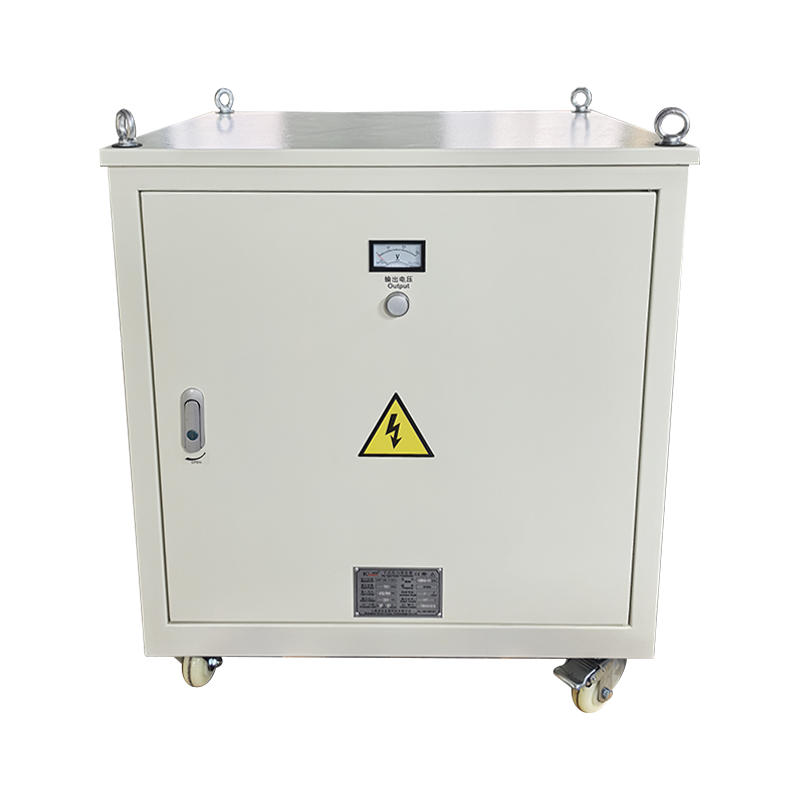
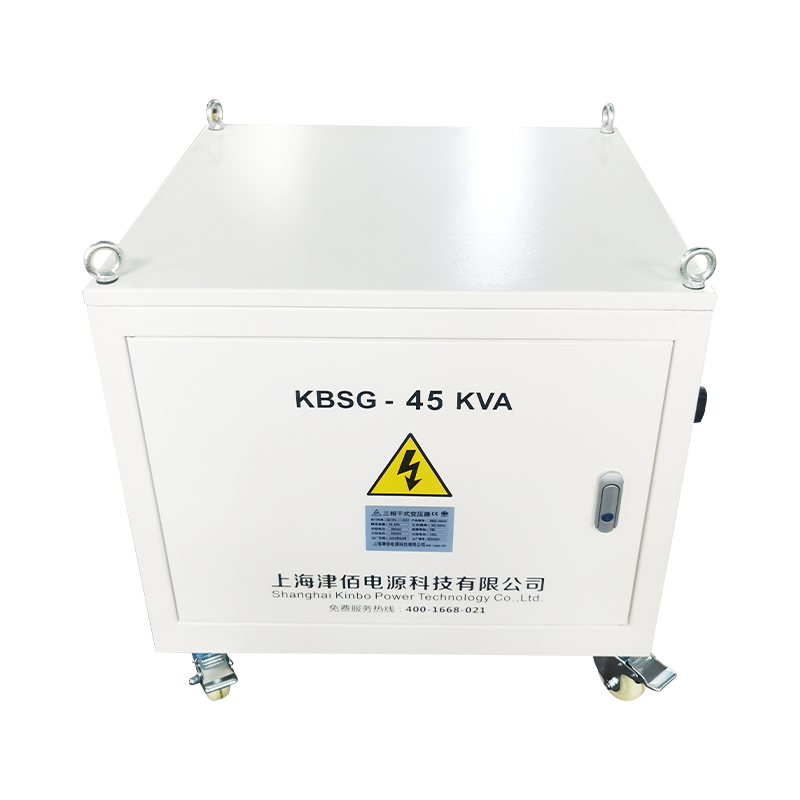
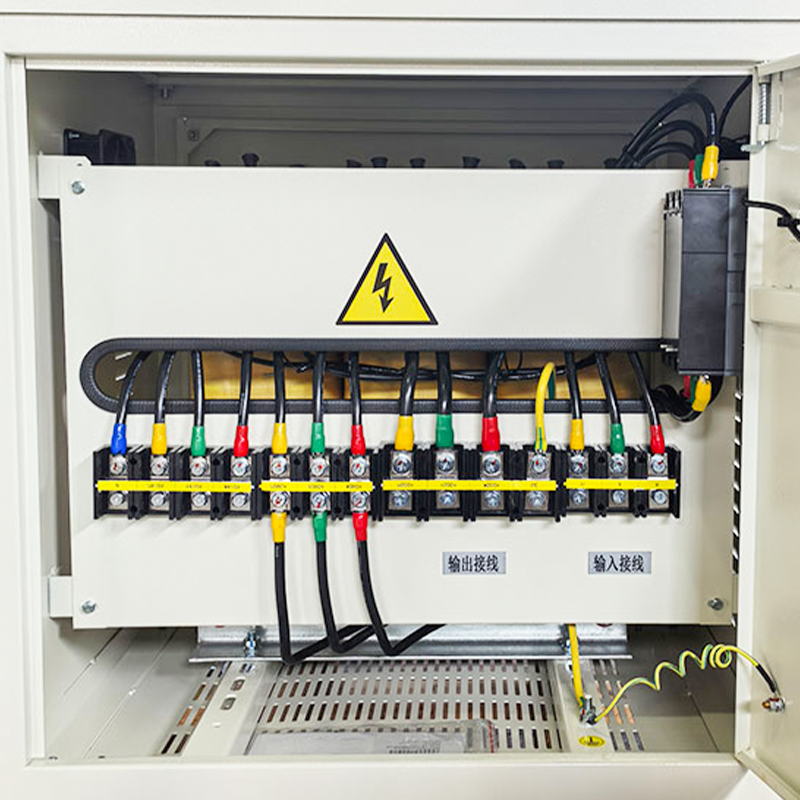 KBSG Series Power Isolating TransformerFully isolates input from output, converts delta to wye and adds shielding; suitable where grounding and phase selection are verified for clean equipment power.View Product →
Single-Phase or Three-Phase: Follow the Load Shape
Start from the real load, then choose the phase — three-phase is not a premium version of single-phase, and picking wrong creates imbalance and unnecessary cost.
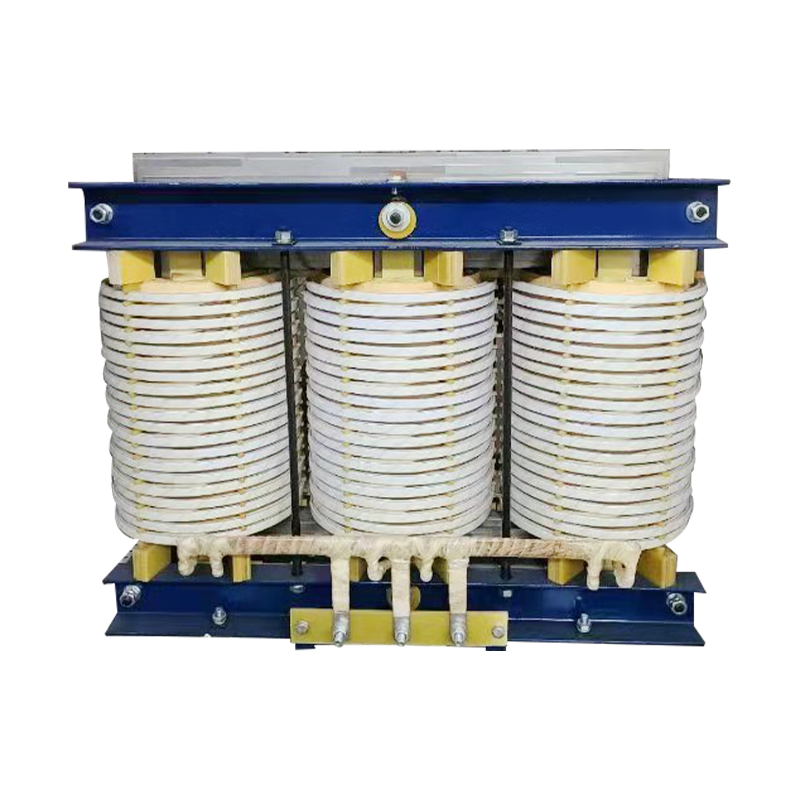
Three-phase transformers suit industrial motors, larger HVAC equipment and anything above modest ratings where the load is roughly balanced. They match a three-phase supply better and carry the same power with smaller conductors and lower losses.
Single-phase transformers cover small loads, control circuits, lighting and single-phase equipment, plus any site where only a single-phase feed is available. Building a three-phase bank from three single-phase units is perfectly legitimate, but it demands matched impedances across the three, correct phase rotation, and a neutral sized for unbalanced current rather than for an ideal balanced case.
Two parameters get skipped most often here: whether the load is linear or non-linear, and whether neutral current will return through the transformer. A delta-wye unit feeding a heavy non-linear load sees harmonic current circulating in the delta, and that heat has to be accounted for in the rating.
Oil-Immersed vs Dry-Type: Cooling Usually Decides the Location
Oil-immersed units quietly solve the heat problem; dry-type units solve the fire-compliance problem. Choose by what the location permits, not by habit.
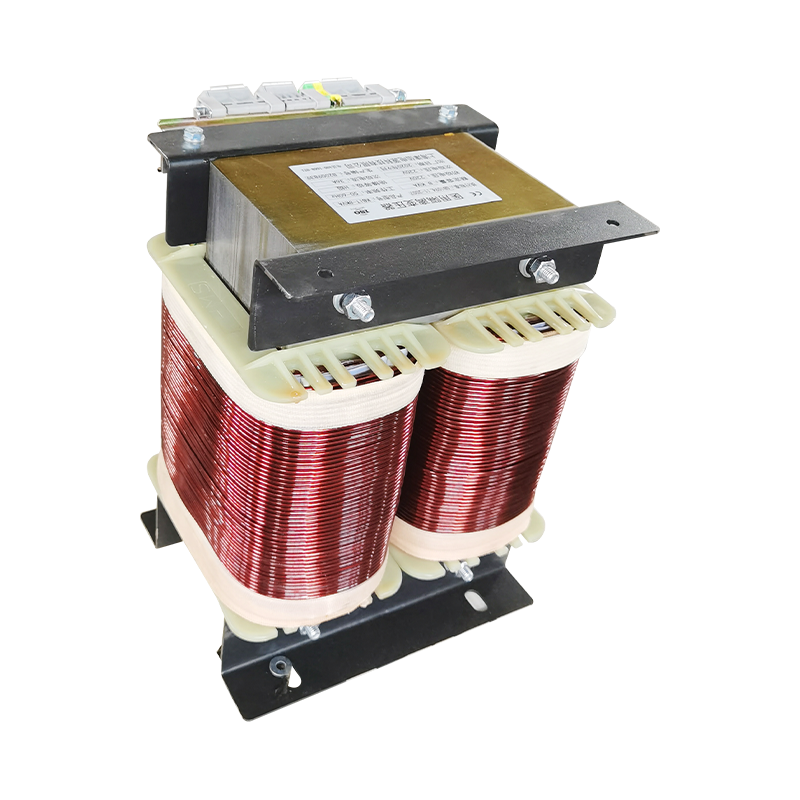
Oil-immersed designs circulate mineral oil through the core and windings, which handles heat extremely well and scales to large capacities. The trade-off is fire separation distance, bunding and routine oil maintenance. Dry-type designs — cast resin or open-wound — have no liquid to leak, no bunding requirement and no oil testing regime, which is why they dominate indoor and densely occupied buildings. Their limit is ventilation: a dry-type unit in a poorly ventilated room derates fast.
| Cooling type | Heat handling | Typical installation | Main checks at purchase |
|---|---|---|---|
| Oil-immersed | Excellent, scales to high capacity | Outdoor yards, standalone substations | Fire separation, oil containment, maintenance access |
| Dry-type (cast resin or open) | Moderate, dependent on airflow | Indoors, occupied buildings, plant rooms | Room ventilation, dust, ambient temperature |
| Sealed or gas-filled | Good, no breathing tank | Humid, coastal or contaminated sites | Seal integrity, pressure monitoring |
By Purpose: From Control Transformers to Medical Isolation Units
Purpose-based families lock in insulation class, temperature rise and test requirements — which is why they cannot be swapped casually even at identical ratings.
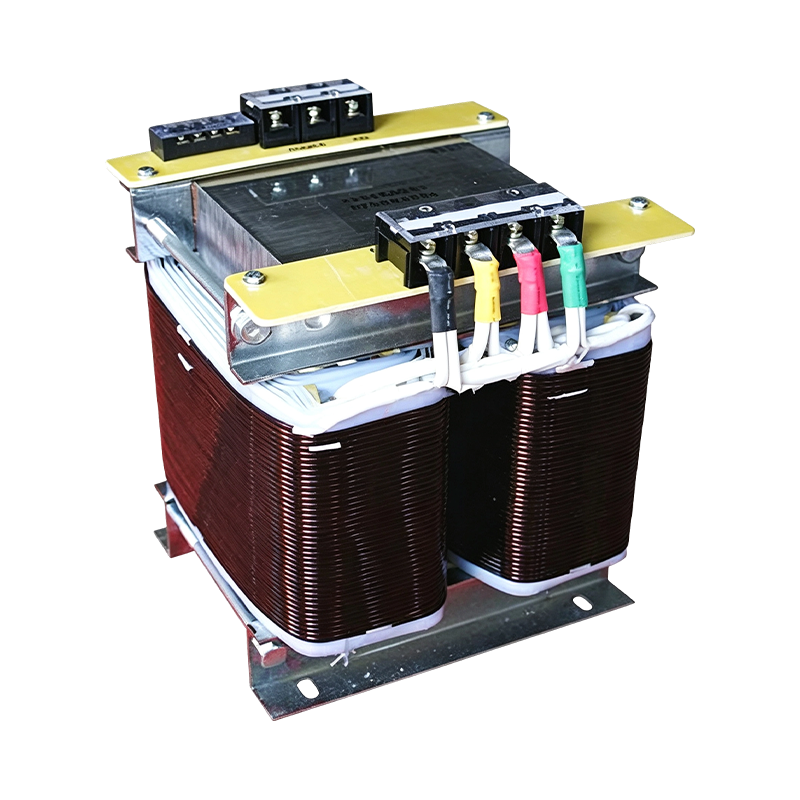
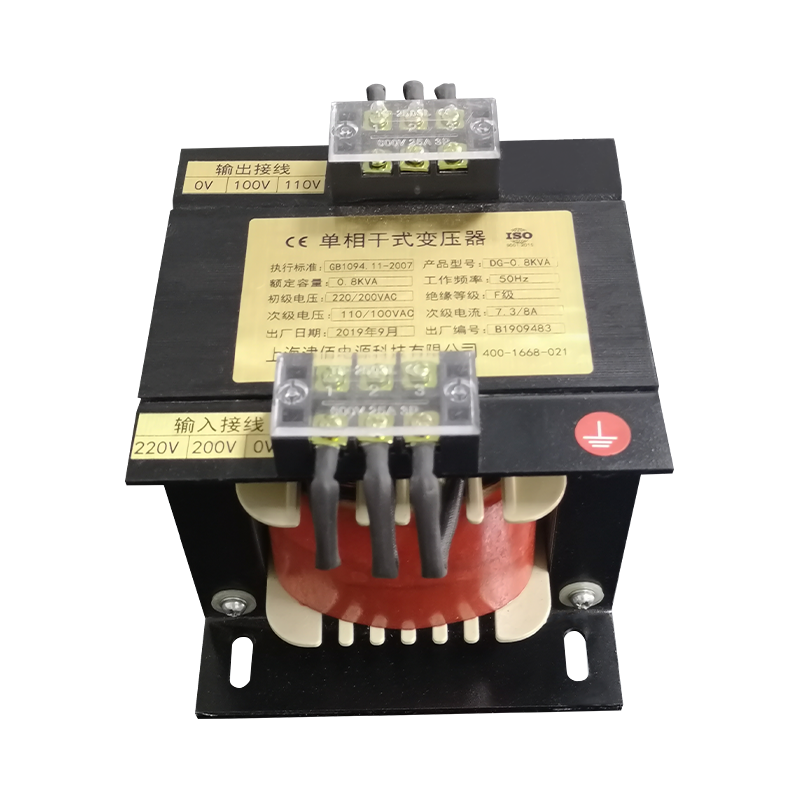
- Control transformers step supplies down to 24, 48, 110 or 220 V for control circuits, contactor coils and signalling. Compact, low maintenance, short-circuit strength matters more than efficiency.
- Instrument transformers (current and voltage) scale high voltages and currents down for metering and protection. Accuracy class and burden drive the specification, not kVA.
- Medical isolation transformers serve medical IT systems with reinforced isolation, strictly limited leakage current and mandatory insulation monitoring.
- Furnace, rectifier and welding transformers are built for severe harmonic content and thermal cycling, with impedance chosen to limit fault current.
- Testing transformers reach high voltages at short-time ratings and are not designed for continuous duty.
Industrial demand often stacks several of these in one enclosure — a control transformer, an isolation transformer as a buffer, and a dry-type unit for a harmonic-heavy drive load. When several power transformers have to be combined in one scheme without duplicating capacity, the fastest check is still the same three columns: primary and secondary voltage, temperature-rise limit, and enclosure type.
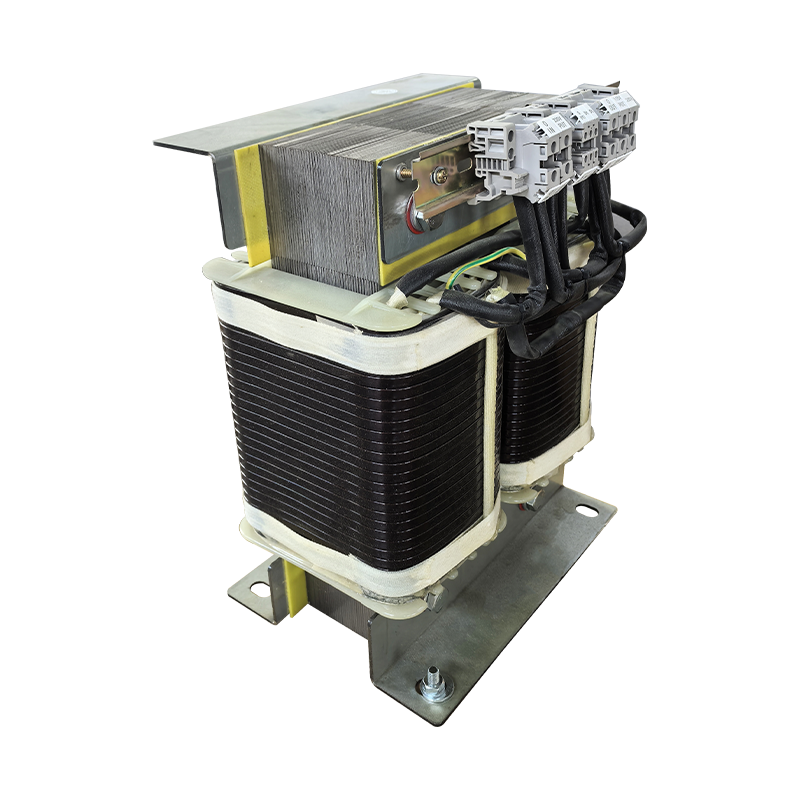 KBIT Medical IT Isolation TransformerMedical IT isolation transformer for isolated power systems, with copper shielding and low temperature rise to support safety and supply continuity in medical locations.View Product →
Regulating Transformers and Voltage Stabilizers: What Is the Difference?
A stabilizer corrects voltage that already exists; a transformer changes the voltage level. Sometimes one device does both.
A voltage stabilizer holds output steady while input swings — through compensation windings, tap switching or non-contact regulation. A transformer with compensating windings can also trim voltage within a narrow band. If the problem is a wrong voltage level, you need a transformer. If the problem is a correct nominal level that keeps drifting, a transformer alone will not fix it, and adding capacity will just buy you a bigger unit that still drifts.
In real systems the two are often paired: a stabilizer feeding a transformer primary, or a transformer stepping down before a stabilizer cleans up the residual swing. Industrial voltage stabilizers in compensated, high-precision and non-contact forms cover most of these arrangements, and the choice between them usually comes down to regulation range and correction speed rather than price.
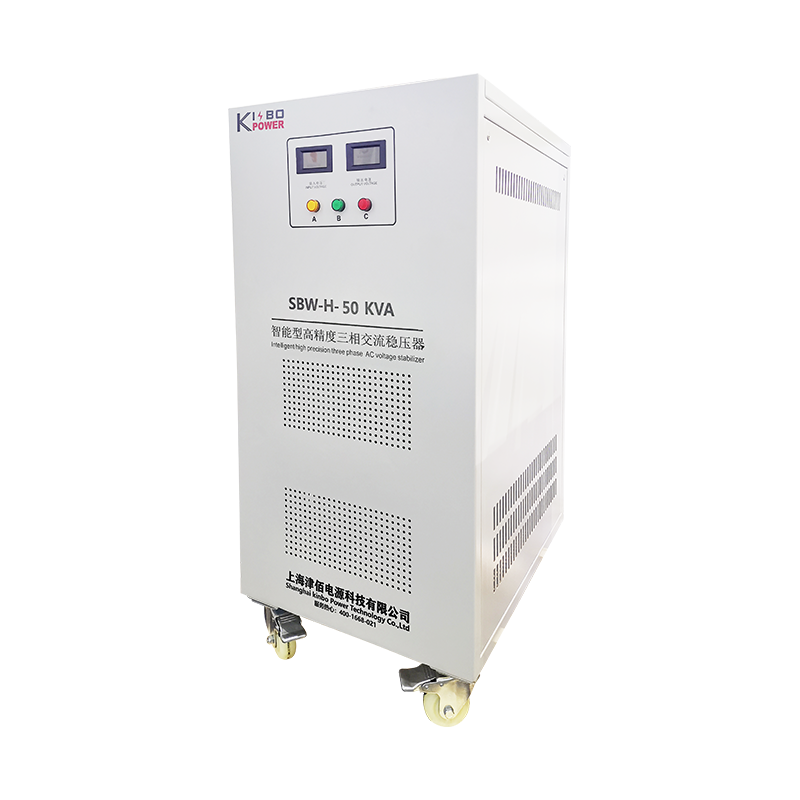 S/DBW-H High-Precision Automatic Voltage StabilizerServo-controlled automatic stabilizer with phase-by-phase regulation, bypass and over-voltage protection, suited to correcting mains swing before or after transformers.View Product →
How to Specify the Right Type
Work forward from the application, then confirm the electrical details — reversing that order is where most mismatches begin.
- Define the load: total kVA, starting current, power factor, and whether the load is linear or non-linear.
- Fix the phase and voltage ratio, including the actual tap range needed, not just the nominal ratio.
- State the environment: indoor or outdoor, ambient temperature, altitude, humidity, dust and corrosive atmosphere.
- Choose the cooling type and confirm the site permits it — fire separation for oil, ventilation for dry-type.
- Set the insulation class and temperature rise. A 105 K rise unit is not a substitute for an 80 K rise unit in a hot room.
- Add harmonic allowance. For drives and rectifiers, use a K-factor rating or derate explicitly.
- Specify protection and monitoring: temperature sensors, fans, insulation monitoring for medical IT systems.
- Confirm testing and documentation — routine tests, type test reports, and certification for the destination market.
Common Buying Mistakes
Most field failures and returns trace back to a small set of predictable errors rather than manufacturing defects.
- Substituting an autotransformer for an isolation unit. It saves money and removes the safety function the drawing called for.
- Ignoring harmonic load. A standard unit on a drive-heavy bus overheats in months, not years.
- Undersizing the neutral. Triplen harmonics stack in the neutral, and the conductor must be sized for them.
- Mismatching temperature rise to the room. A derated unit in a hot plant room can lose 10 to 15 percent of its capacity.
- Overlooking altitude and ambient. Both reduce cooling effectiveness and require explicit derating above roughly 1000 m.
- Skipping the medical monitoring package. The transformer alone does not satisfy the requirement; the insulation monitoring device does.
None of these are exotic. All of them are cheap to avoid at the specification stage and expensive to fix after installation.
Frequently Asked Questions
Can one transformer both step up and step down?
Yes — most two-winding transformers are bidirectional. Connect the low-voltage winding to the source and it steps up; reverse the connection and it steps down. The limit is the insulation and tap arrangement, not the principle, so confirm the manufacturer supports the intended direction before relying on it.
How do I choose between oil-immersed and dry-type?
Choose by location first. If the unit sits indoors, in an occupied building or where fire separation is impractical, dry-type is the default. If it sits outdoors with space for bunding and maintenance access, oil-immersed gives better heat handling per unit of capacity.
Can a standard transformer be used for medical isolation?
No. Medical isolation requires reinforced insulation, tightly limited leakage current, defined temperature rise and paired insulation monitoring. A standard distribution unit may meet the kVA figure and still fail the electrical safety requirements that apply in a medical location.
Does isolation mean there is no electrical connection at all?
It means no conductive path between primary and secondary — energy crosses only through the magnetic field. Capacitive coupling still exists at high frequencies, which is why shielded isolation transformers are specified when common-mode noise must be blocked as well.
Getting the transformer type right is mostly about sequence. Start from the load and the installation site, then work back through phase, cooling and insulation class, and the specification largely writes itself. Skip that order, and the nameplate will look correct while the unit still fails in service.