

 English
 русский
 عربى
 Indonesia
- Type:
- Industry News
- Date:
- 2026-Nov-09

Industry News
Isolation Transformers Explained: Safer, Cleaner Power for Critical Systems
Content
An isolation transformer does one simple thing very well: it transfers AC power through magnetic coupling while keeping the primary and secondary circuits electrically separate. That separation is why it appears in hospitals, machine shops, laboratories, and power distribution rooms where an ordinary transformer would be a poor fit.
People often ask whether it is just a voltage changer. It can change voltage, but its real value is the isolation barrier. Understanding that difference helps you specify the right unit, install it correctly, and avoid treating it as a cure-all for every power-quality problem.
What an Isolation Transformer Actually Does
Inside the enclosure, a primary winding and a secondary winding share a magnetic core but have no direct conductive path. Energy crosses the core by induction. The secondary can be wound for a higher, lower, or matching voltage, yet the two sides remain galvanically separated.
That matters because many electrical problems travel along conductors and grounding paths, not only through the live wire. A properly designed isolation transformer can break ground loops, limit fault propagation, and, when shielded, reduce high-frequency common-mode noise. A basic unit mainly breaks the metallic path; it should not be expected to erase every surge or harmonic.
| Feature | Isolation transformer | Autotransformer |
|---|---|---|
| Primary purpose | Voltage conversion with electrical separation | Voltage conversion with a shared winding |
| Electrical path | Magnetically coupled; no direct connection | Direct electrical connection |
| Ground loops | Can help break them when installed correctly | Usually preserves them |
| Noise control | Shielded designs can reduce common-mode noise | Limited isolation benefit |
| Typical use | Medical, laboratory, industrial, and sensitive loads | Motor starting and general distribution |
How It Works in Plain Terms
Alternating current in the primary winding creates an alternating magnetic flux in the core. That flux induces a voltage in the secondary. The turns ratio sets the voltage relationship, while the core material, winding arrangement, insulation, and shielding shape the transformer's behavior under real loads.
A transformer is not a magic filter. It passes useful AC power and blocks DC, but high-frequency noise can still cross through interwinding capacitance. That is why shielded isolation transformers exist, and why layout, grounding, and cable routing matter as much as the transformer itself.
Isolation does not mean harmless
A floating secondary can still deliver a dangerous shock if a person touches both conductors or a conductor and a return path. Protective bonding, overcurrent protection, insulation coordination, and lockout procedures remain essential. Treat isolation as an engineering measure that must be installed and maintained correctly, not as permission to relax safety practice.
Where Isolation Transformers Earn Their Place
Medical and patient-care areas
Medical locations demand careful separation, low leakage current, and reliable monitoring. An isolation transformer helps create a locally isolated supply for sensitive equipment and patient-care areas. Our KBIT medical isolation transformer is designed around those concerns, with insulation and thermal behavior suited to healthcare power systems. It is a practical example of how isolation supports safety without pretending to replace clinical engineering standards.
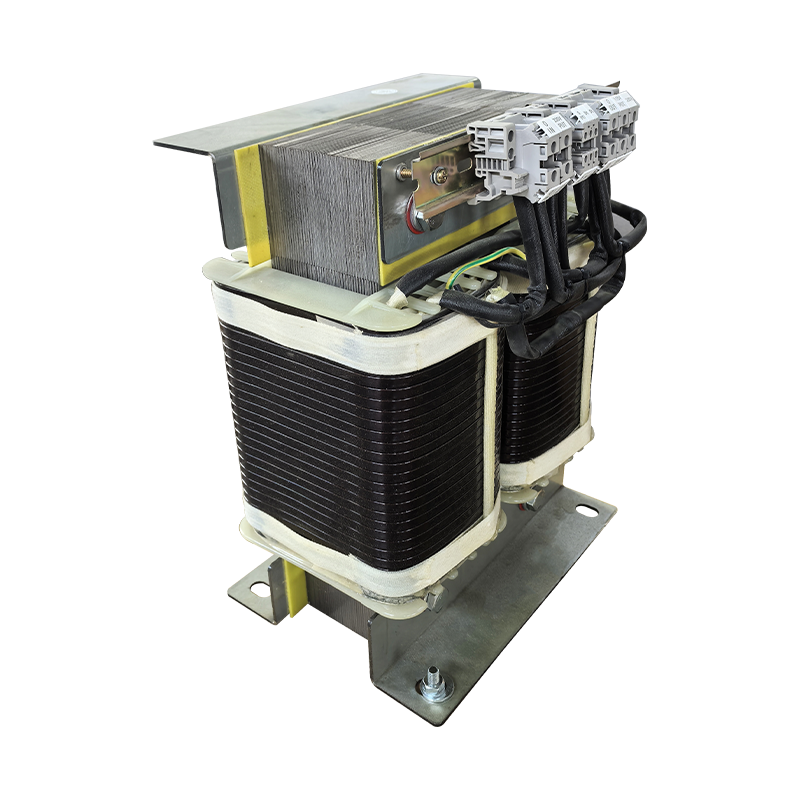 KBIT Medical Isolation Transformer for IT Power SystemsDesigned as a key component of medical IT isolated power supplies, with shielding and stable operation for sensitive healthcare equipment.View Product →
Industrial controls and machine tools
Drives, CNC machines, PLC cabinets, and welding equipment often sit on supplies that are noisy, unbalanced, or subject to frequent switching. An isolation transformer can provide a cleaner local reference, limit common-mode disturbances, and protect control electronics from some fault paths. Our KBSG isolating transformer is one option for general industrial isolation where the load profile and duty cycle are well understood.
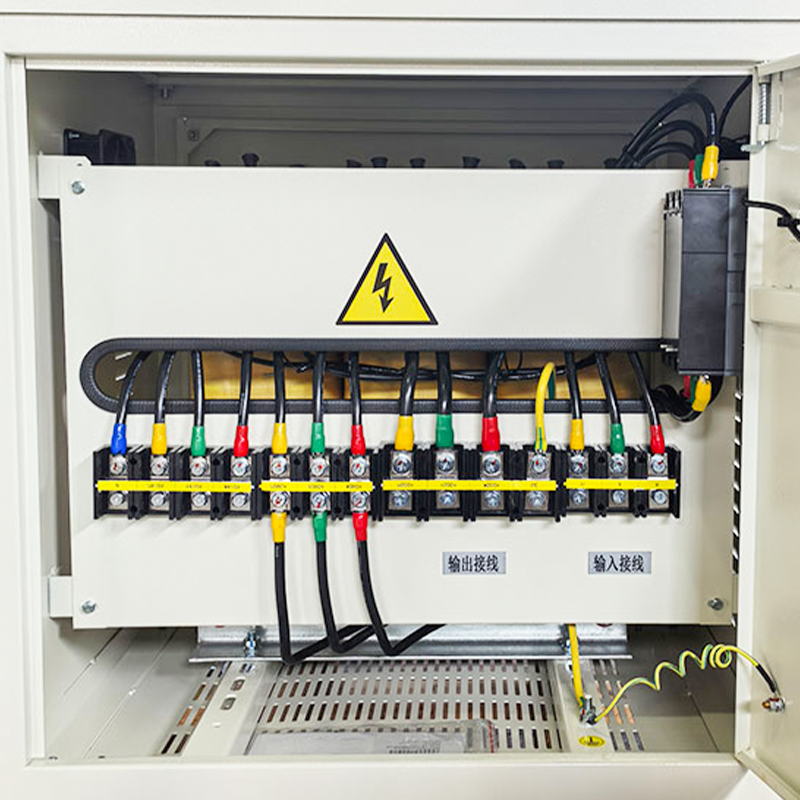 KBSG Isolating Transformer for Industrial Power DistributionFully isolates input and output and establishes a new neutral-to-ground reference to reduce common-mode interference in industrial and infrastructure power systems.View Product →
Test benches, laboratories, and sensitive equipment
Measurement systems are vulnerable to ground loops and low-level noise. An isolation transformer can break a ground loop that would otherwise corrupt readings or create circulating current. It does not remove the need for differential probes, proper shielding, and a clear test-bench ground plan, but it can make the electrical environment far more predictable.
UPS, bypass, and distribution arrangements
Isolation also appears in UPS bypass cabinets and integrated distribution systems, where maintenance staff need a safe way to transfer loads without exposing sensitive equipment to unnecessary disturbance. In these arrangements, the transformer is part of a larger power architecture, so coordination with switching, protection, and grounding is essential.
Types and Design Choices That Matter
There is no universal best isolation transformer. The right choice depends on the load, the environment, and the standard the installation must meet. Common configurations include:
- General-purpose dry-type units for industrial and commercial isolation.
- Shielded or ultra-isolation designs for sensitive electronics and low-noise measurements.
- Medical isolation transformers with low leakage current and appropriate insulation.
- Drive-duty and machine-tool transformers sized for harmonic-rich or high-inrush loads.
- Integrated cabinet arrangements for UPS bypass, distribution, and maintenance access.
Details such as winding material, electrostatic shielding, temperature rise, impedance, enclosure rating, and neutral arrangement change performance more than a short product description can show. A transformer that is oversized for steady-state load but undersized for inrush can still trip protection. A unit with excellent isolation but poor ventilation can still fail early.
Choosing the Right Unit Without Guesswork
The most useful specification conversation starts with the actual load, not just the transformer rating. Bring these details early:
- Continuous kVA, short-term overload, and load type.
- Input and output voltage, frequency, and phase configuration.
- Required turns ratio, taps, impedance, and neutral arrangement.
- Nonlinear loads, harmonic content, and expected inrush current.
- Ambient temperature, altitude, ventilation, and enclosure requirements.
- Insulation class, shielding needs, temperature monitoring, and metering.
- Applicable standards, inspection requirements, and site grounding practice.
If the site has limited space or an unusual maintenance procedure, say so before the design is frozen. Custom nonstandard work is often easier at the drawing stage than after the enclosure is built.
Installation, Testing, and Maintenance
Commissioning should confirm more than “it powers up.” A practical check list includes:
- Verify the nameplate, tap setting, phase rotation, and voltage ratio.
- Measure insulation resistance and winding resistance before energization.
- Bond the enclosure and arrange the secondary neutral exactly as designed.
- Torque terminals, inspect clearances, and confirm ventilation paths.
- Use thermography or temperature checks under representative load.
- Keep dust and moisture out of the enclosure and inspect connections regularly.
For maintenance, a yearly inspection is a reasonable baseline for many dry-type units, with more frequent checks in dusty, hot, or high-cycle sites. Look for loose connections, discoloration, unusual noise, rising temperature, and insulation resistance trends. Record the readings so a change is visible before it becomes a failure.
Common Questions, Straight Answers
Does an isolation transformer change voltage?
It can. A 1:1 unit keeps the same nominal voltage; other turns ratios step voltage up or down. Isolation and voltage conversion are separate functions, even though one transformer can perform both.
Will it stop every surge or harmonic?
No. It can block some paths and reduce certain noise components, but surge protective devices, filters, and proper system design are still needed. Harmonic performance depends heavily on impedance, loading, and the transformer's design.
Why does it hum?
Magnetostriction and alternating magnetic forces cause normal core vibration. Loose laminations, loose mounting hardware, resonance, or overload can make the sound worse. A sudden change in noise deserves investigation.
Can it be used outdoors?
Only with an enclosure and rating suited to the site. Rain, dust, humidity, and temperature swing all affect insulation and cooling. Indoor units should not be treated as weatherproof.
An isolation transformer is a focused solution, not a universal remedy. It earns its place when the design starts with the real load, the grounding plan, and the environment it will live in. At KINBO, we build power transformers and custom supply arrangements for industrial, medical, and special-purpose applications. If you are weighing a standard unit against a custom design, a clear set of site details is the best place to begin.
Related Products
-
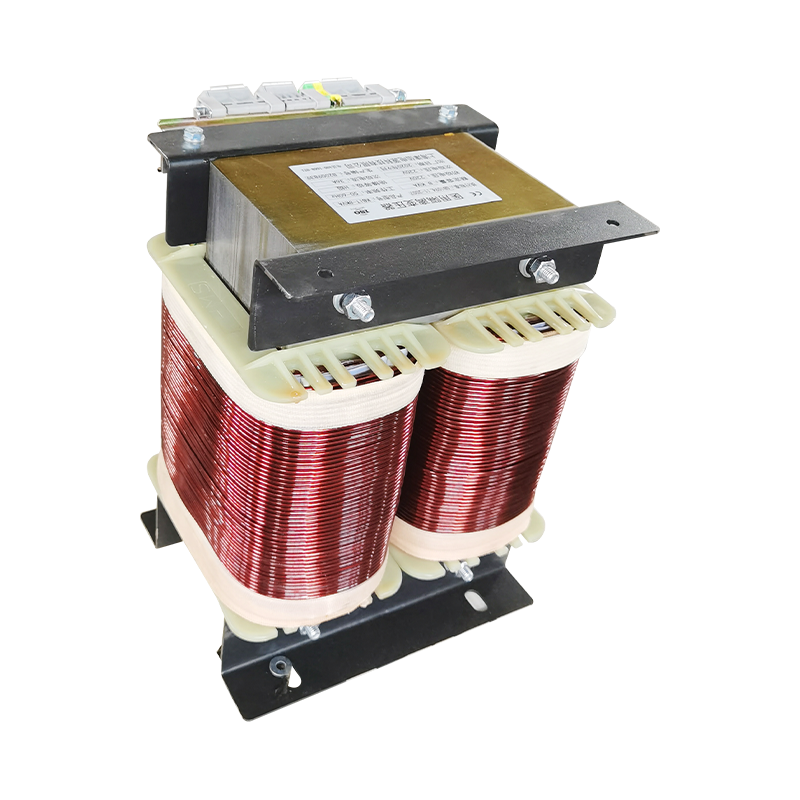
KBIT Medical Isolation Transformer
The KBIT-G medical IT isolation transformer is an important component of the medical IT isolated pow...
See Details -
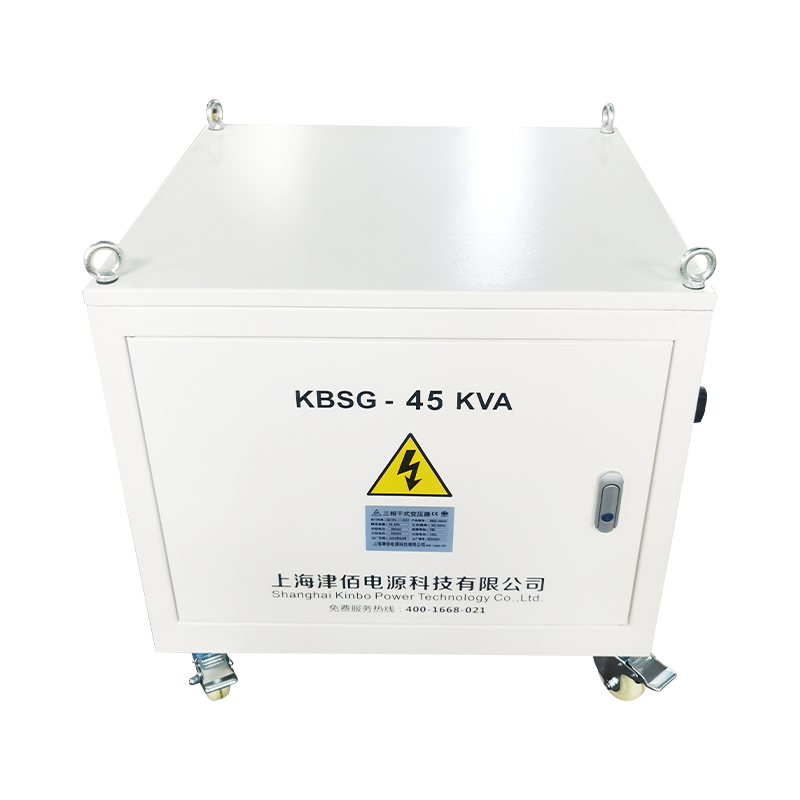
Machine Tool Power Transformer
A CNC machining center is a high-efficiency automated machine tool composed of mechanical equipment ...
See Details -
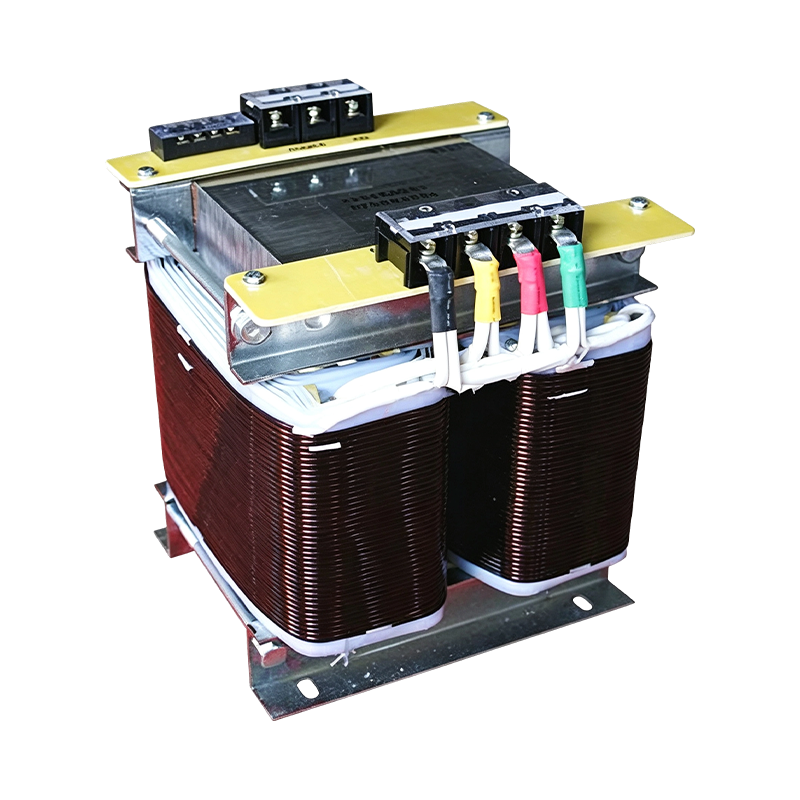
UPS/EPS Variable Frequency Power Transformer
The inverter power transformer is a supporting power transformer developed and produced by Kinbo Tec...
See Details -
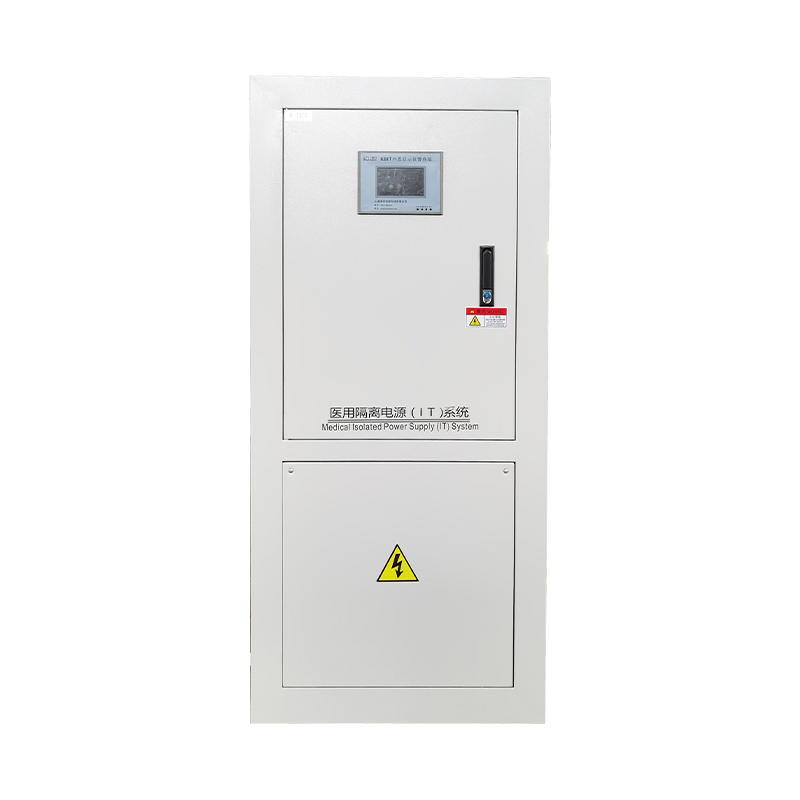
KBIT Medical Isolation Power Supply
The KBIT series isolated power cabinet is a low-voltage complete set cabinet that highly integrates ...
See Details
JIANGSU
KINBO.
KINBO.
-

Address: No. 121, Huancheng Road, Picheng Town, Danyang City, Jiangsu Province, China
-

E-Mail: gloria666@kinbopower.com
-

Tel: +86-15862999618
MESSAGE US
NOW !
NOW !
